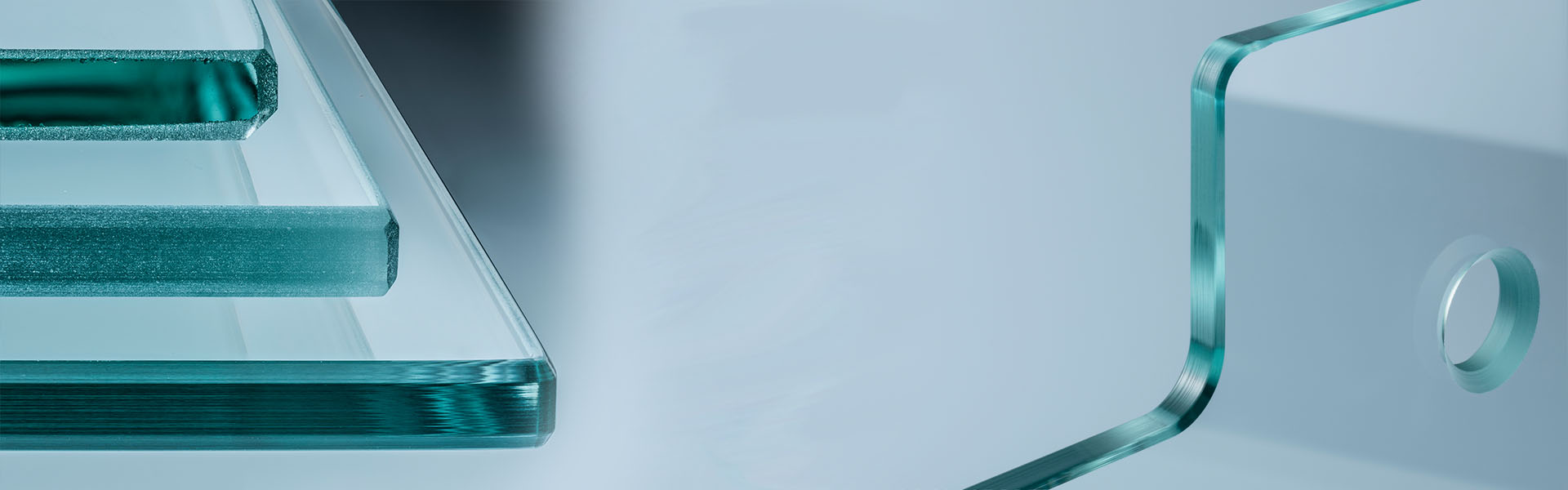
of mechanical edge processing
Mechanical edge processing
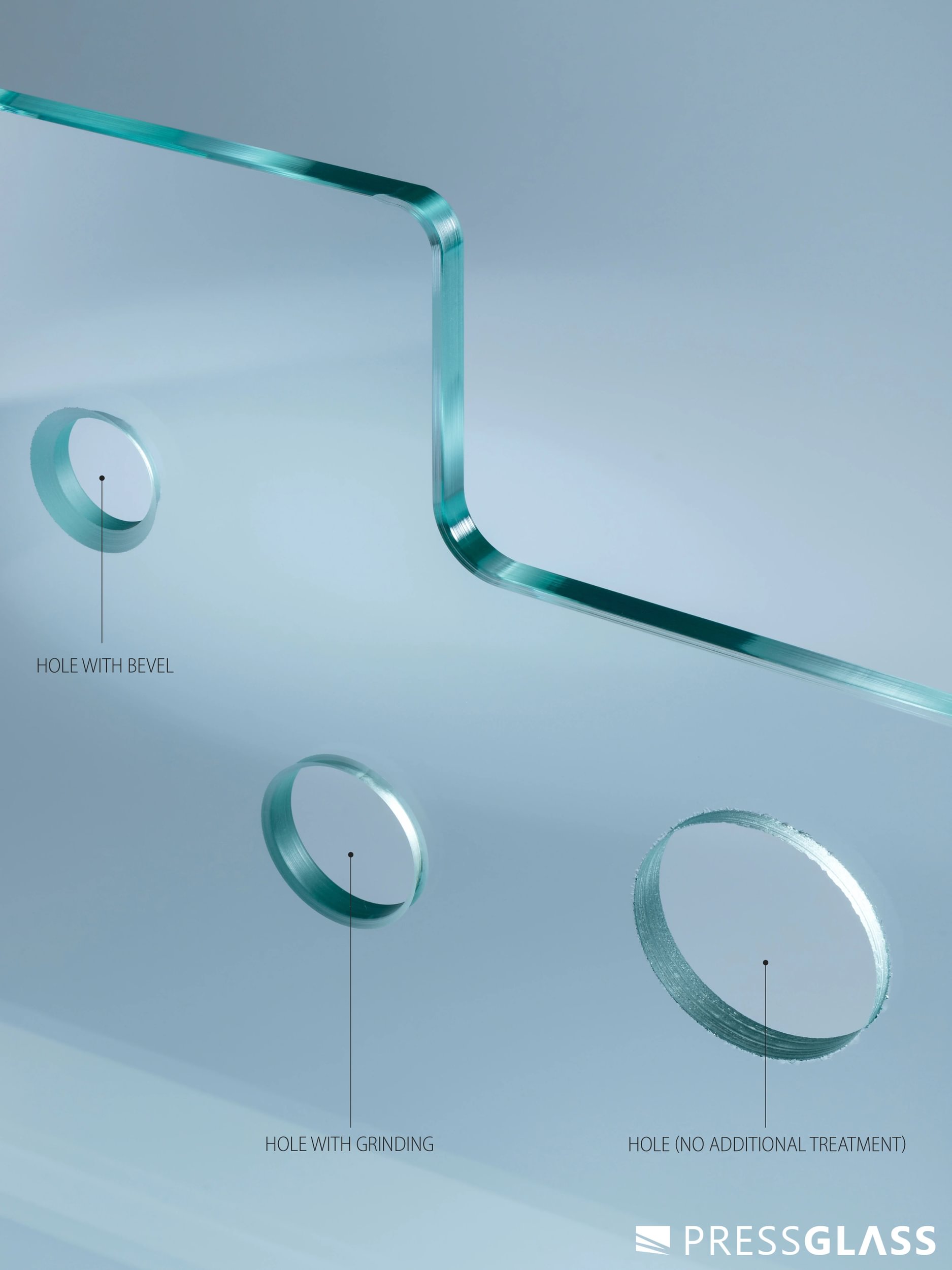
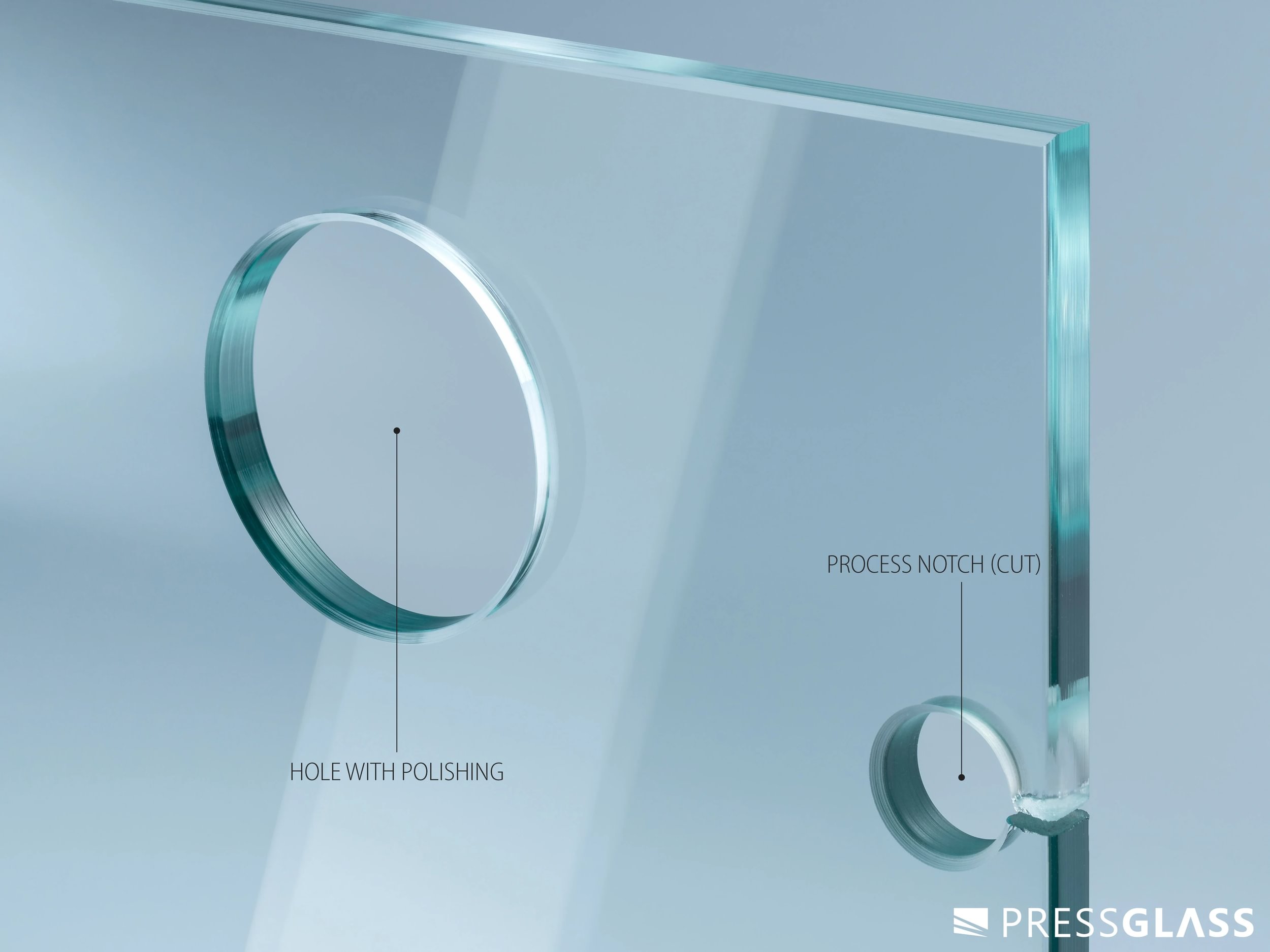
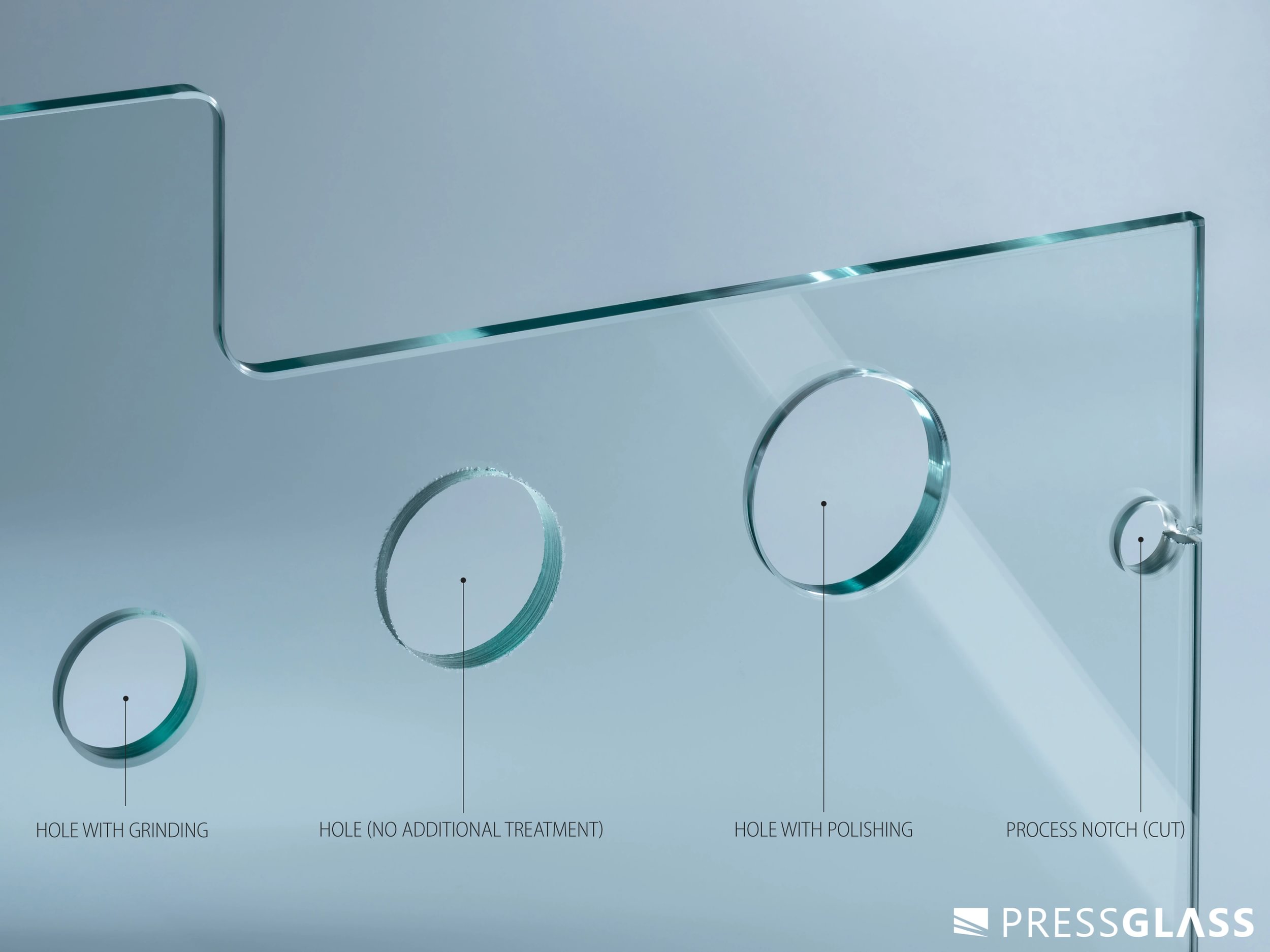
Mechanical processing of the edges of glass panes is used to eliminate micro-breaks, which increase the risk of damage to the glass pane during processing. In addition, thanks to the polishing process, the edges can be a decorative element of single glazing.
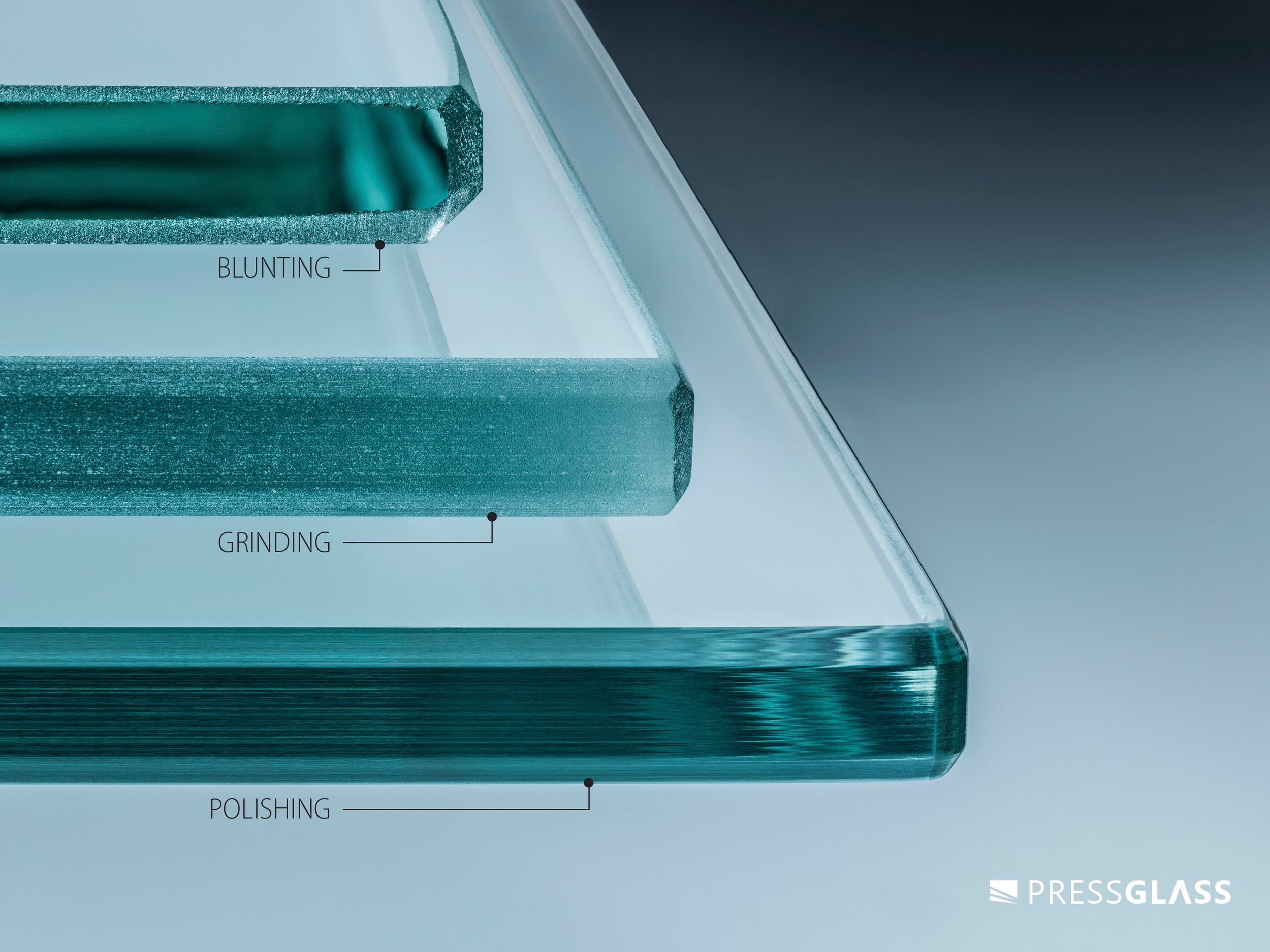
The role of edge processing
In the process of glass cutting, there is a possibility of micro-breaks on the edges of cutted glass panes. The edge arrising process reduces the risk of breakage, which may occur as a result of increased internal stresses caused by heating (thermal stresses) or mechanical forces (forced compression, impact, etc.). This feature makes additional edge treatment commonly used in toughened glass.
Ground edges are also used to increase the safety of glass use - for example, in frameless wall and door systems, where a danger of injury occurs. To give the appropriate aesthetic qualities, after grinding, the edges can be additionally polished.
Gallery
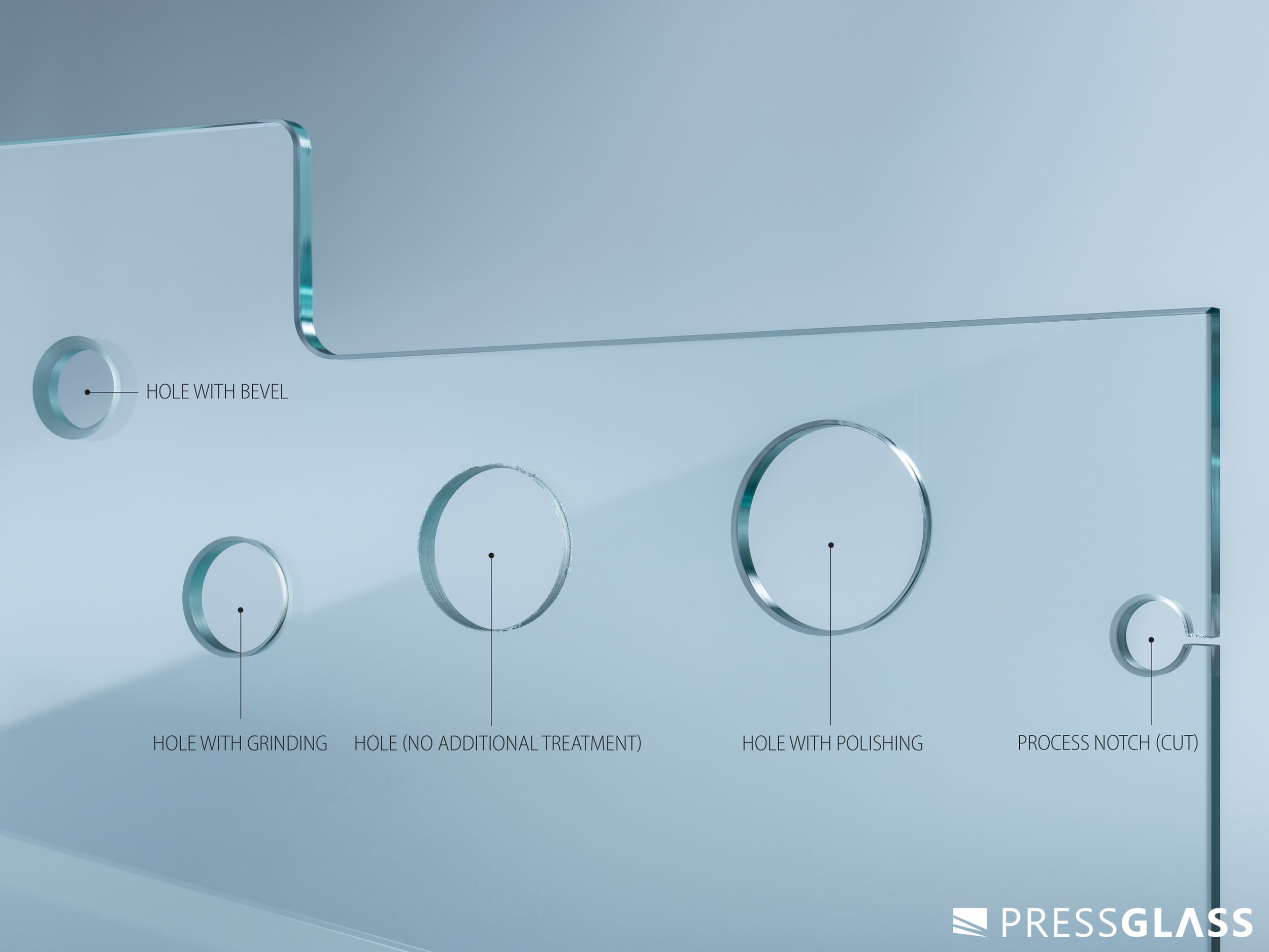
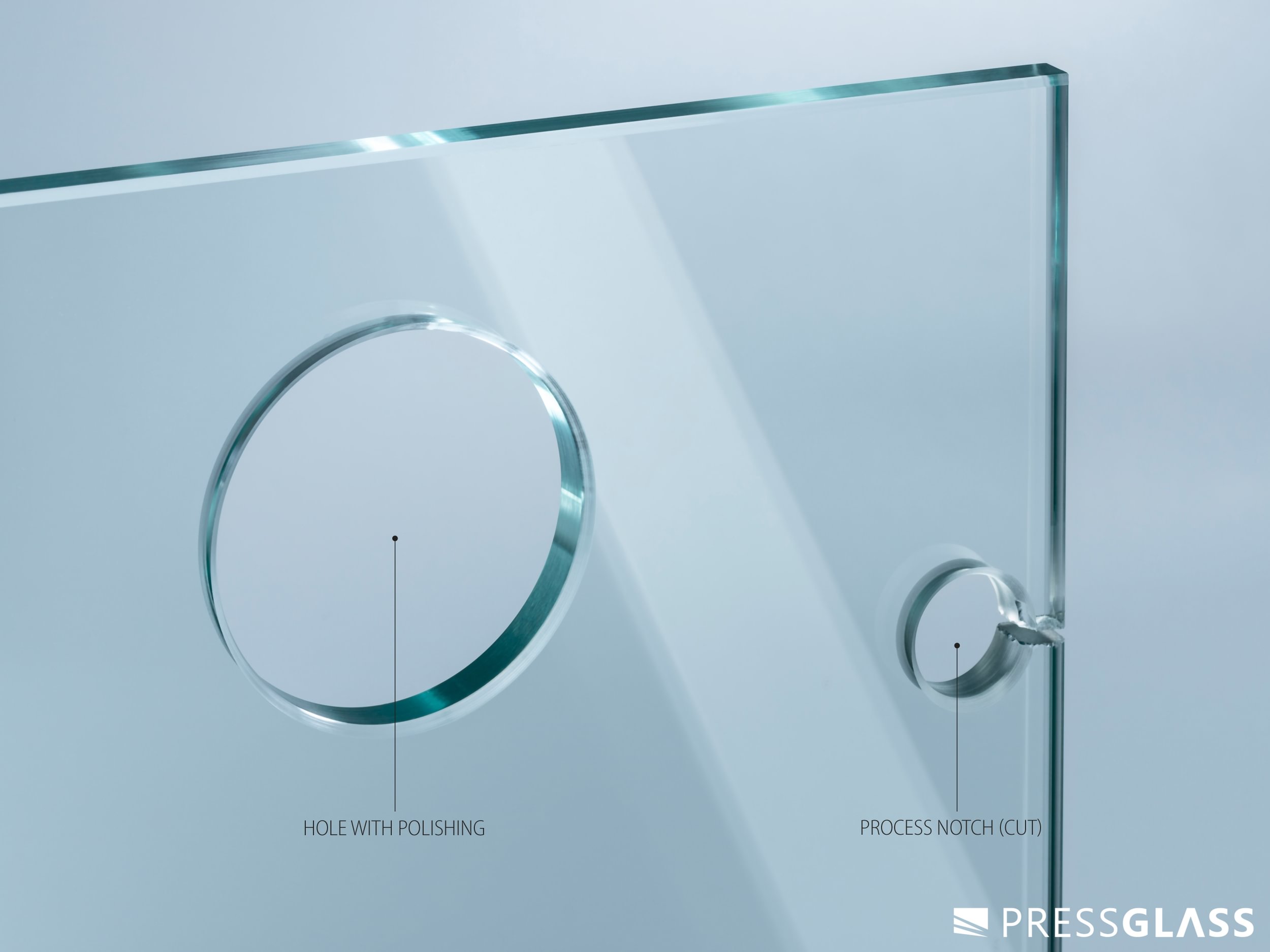
Benefits and applications
of edge processing
Benefits
- Increased durability during processing
- Reduced risk of injury
- Increased aesthetics of single glazing
Examples of applications
An arrised and ground edge is used to eliminate micro-breaks, increasing the risk of damage to the glass pane during processing.
The polished edge are used as a decorative element in interior glazing, such as:
- glass railings,
- shower curtains,
- frameless partition systems,
- stair glazing.
Specifications
| Glass thickness [mm] | Min. pane dimensions [mm]. | Max. pane dimensions [mm]. |
| 3-19 | 100 x 200 | 3200 x 7000 |